
BLOG

Insights and education from the Colorado Concussion Clinic team.
FEATURED POSTS
Getting Back to Work After a Medical Leave
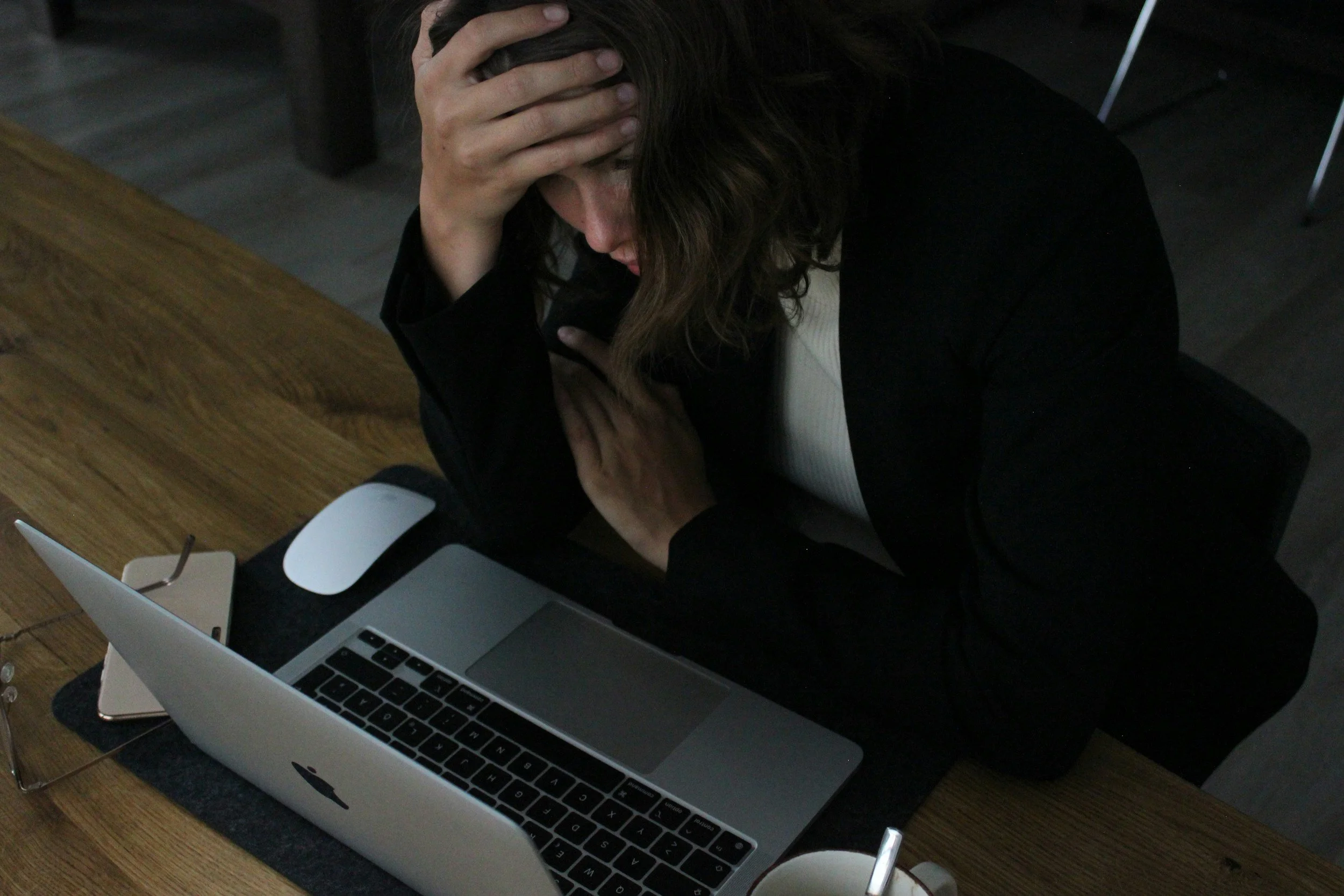
Returning to work after a medical leave can feel intimidating. Several questions may be running through your mind...Am I ready? What if my headaches get worse again? What if I make mistakes? How am I supposed to function at a high level all day? How will I manage work and my home life?
Do I need to see a neurologist?
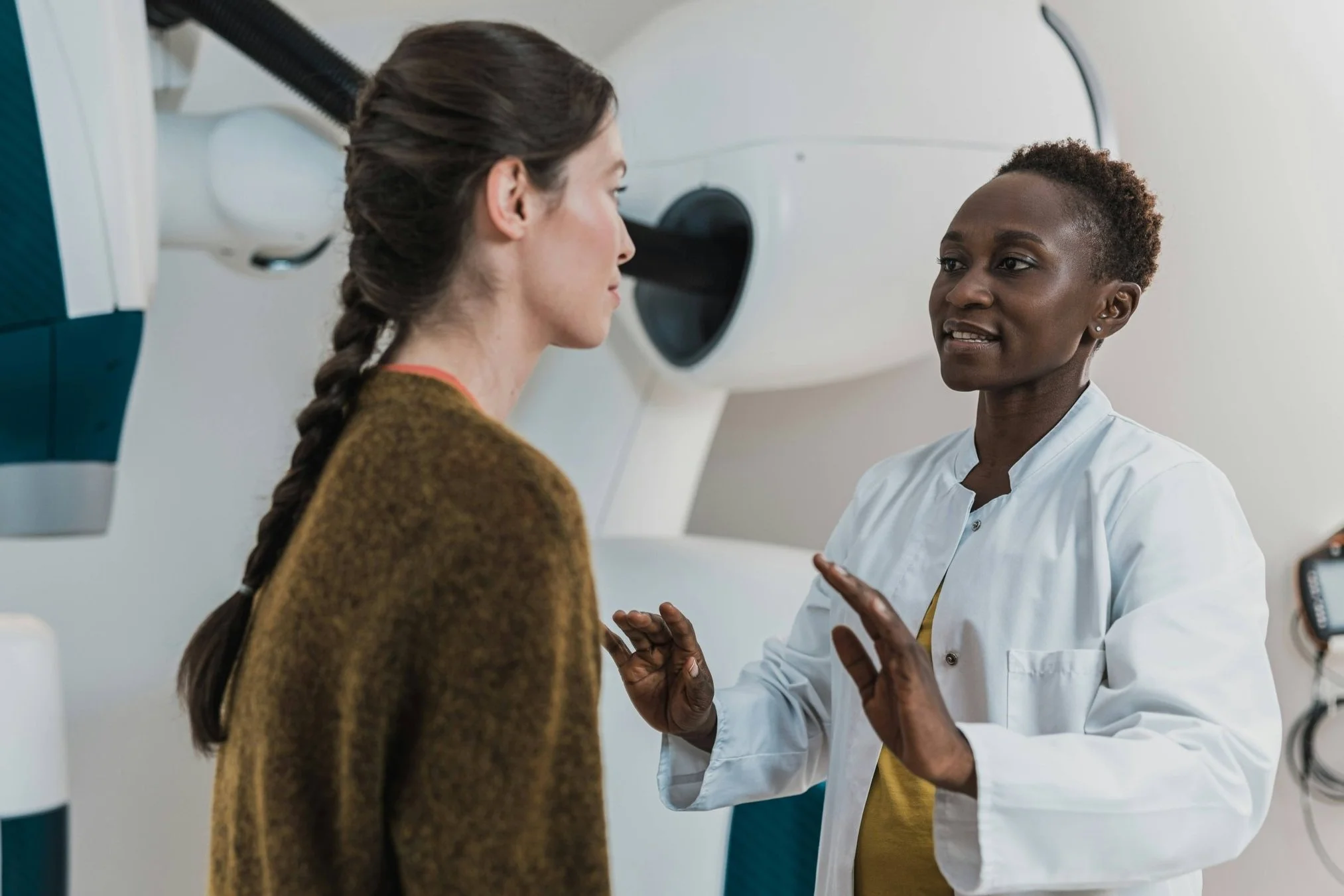
You’ve just sustained a concussion, which is a mild traumatic brain injury. You might be wondering if you need a neurologist on your team, since neurologists diagnose and treat disorders of the brain. This is a great question, and one we get all the time.
In most cases, it is not necessary to see a neurologist following a concussion. A lot of our patients go to the ER to get checked out in the first few days, which is a very appropriate course of action. If there is no concern for brain bleed or need for surgery, they are typically told to follow-up with their primary care physician, or PCP. Ideally the PCP will give the patient some guidance for how to manage the symptoms during the acute phase and refer them to a concussion specialist. Getting care for your concussion early has been shown to decrease the risk of persistent post concussive syndrome.
What’s most important to your recovery, is having a medical professional on the case who has extensive knowledge of the typical and atypical courses of concussive injury, as well as the treatments available. Concussion management has dramatically evolved over the years, and it is important to understand that not all doctors, including neurologists, might be up to date. BEWARE of physicians who tell you to sit in a dark room for a week, or that there is nothing you can do but wait for your symptoms to go away. We now know that getting care within even as little as 36 hours post injury improves your chances of a shorter and faster recovery.

Helping A Loved One Recover From a Concussion
Learn how to help a loved one recover from a concussion, including practical tips for communication, appointments, daily tasks, and emotional support.
I’m not as young as I used to be...How do I know if my symptoms are due to concussion or early dementia?
As a speech-language pathologist who has focused on treating adults with neurological deficits, I hear this question ALL. THE. TIME. It’s understandable that people become very concerned whenever they have changes in their memory. And unfortunately, there is no easy answer. But hopefully the information in this blog post will provide you with the information you need to help answer this question.
Unfortunately, many of the signs of early stage dementia are also symptoms of concussion. These common signs include forgetfulness, trouble concentrating as long as you used to, difficulty finding the right words, changes in behavior/mood, and difficulty completing daily tasks. Therefore, it can be very difficult to determine if you have dementia based solely on those symptoms. One of the biggest ways to differentiate between the two is that you can typically make progress and recover after a concussion, but dementia typically gets progressively worse over time. If you did not notice any difficulties prior to sustaining your concussion, and then acute changes occurred, that would lead me to believe that the issues are concussion related. It is also possible that you are experiencing some normal cognitive decline (we call that getting older).
“Jot That Down” - Thoughts about note-taking following a head injury
One of the things I hear frequently when I meet a new patient is, “All of a sudden I have to write everything down. I used to just remember things and now I’m totally overwhelmed. It’s SO frustrating!”
Let’s take a minute to analyze the situation and put things in perspective. Normally, you have a routine which may involve work, typical household chores, family obligations, etc. But now you’ve been hurt - maybe due to a fall, a sports injury, or a car crash. You’re not feeling like yourself, you’re tired and scared, and all of a sudden tasks are piling up. In addition to your usual responsibilities, you may be dealing with any or all of the following:
Physical symptoms: headaches, dizziness, nausea, sleep disturbance, etc.
Emotional symptoms: sadness, fear, anxiety, trauma, etc.
Medical appointments happening at different times on different days
Insurance companies
Work issues
Not having a car
Being unable to perform household chores
When we think of it that way, it’s a lot! You’ve had several things added to your plate, and it’s hard to juggle and remember everything that needs to be done.
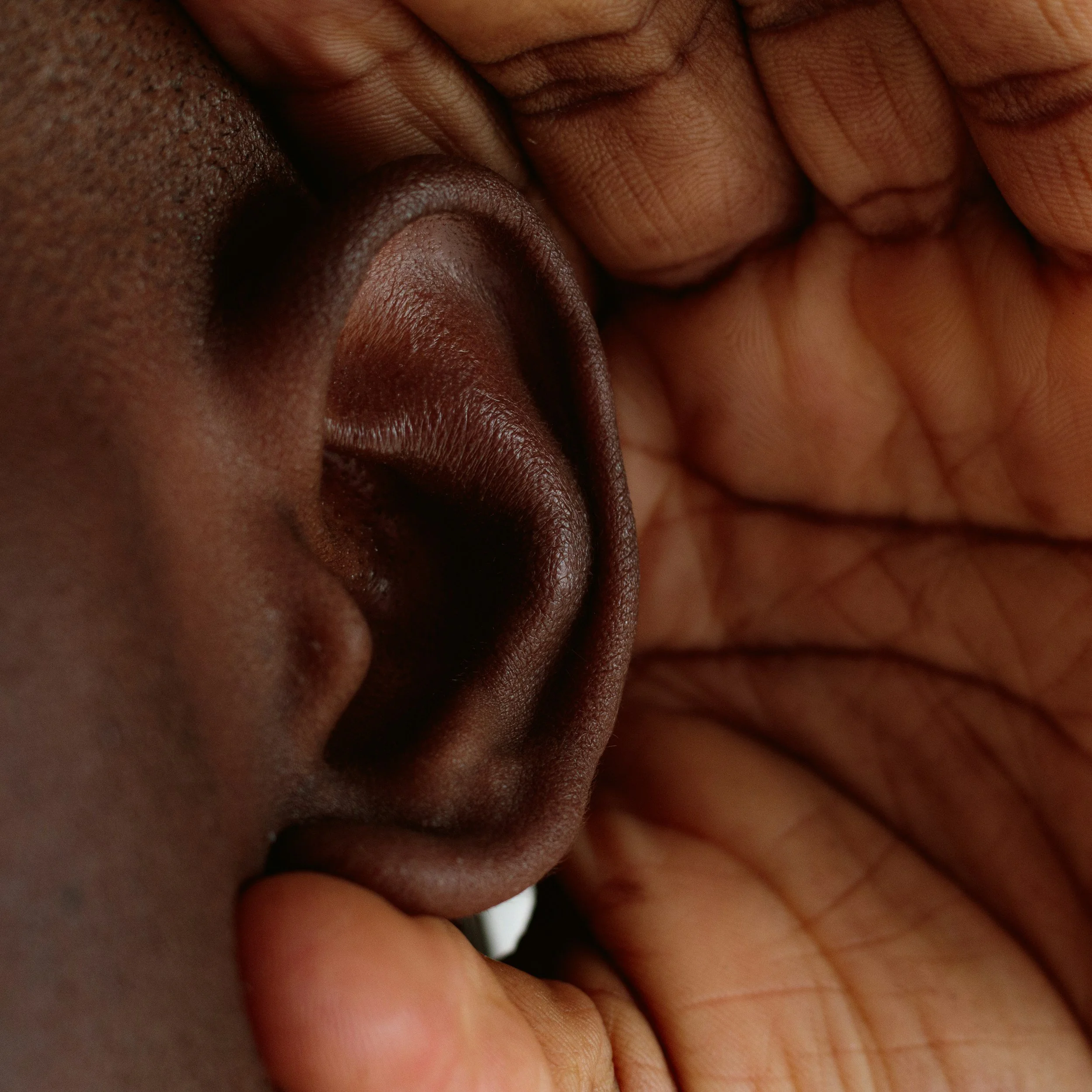
How Does Impaired Hearing Impact Cognition?
Learn how hearing difficulties after concussion can affect attention, memory, communication, and cognitive fatigue, plus strategies that may make listening easier.

Concussion & Vision: Understanding Visual Symptoms After a Head Injury
Learn how concussion can affect vision, including blurred or double vision, light sensitivity, reading difficulty, and eye fatigue, and how visual dysfunction may be evaluated and treated.

Exercise and BDNF: How Physical Activity Supports Brain Health
Learn how exercise may support brain health and neuroplasticity through BDNF, and what research suggests about exercise and traumatic brain injury recovery.
Physical Activity After Concussion: When and How Much?
Returning to physical activity after a concussion should be gradual and individualized. Learn how exercise can support concussion recovery, how to recognize exercise intolerance, and how graded exercise testing can help guide a safe return to activity.
The Role of an Athletic Trainer in Concussion Care
Athletic trainers play an important role in concussion care, from recognizing symptoms and removing athletes from play to supporting rehabilitation and return to sport. Learn how athletic trainers work with medical and rehabilitation providers throughout concussion recovery.
Youth Sports & Concussion: What Parents Need to Know
Concussions can affect young athletes at every level of sport. Learn what parents should know about recognizing concussion symptoms, removing an athlete from play, return-to-play decisions, and supporting a safe recovery.